
Q&A: TOM HAYDEN & BARBARA BECNEL
Written on November 15th, 2007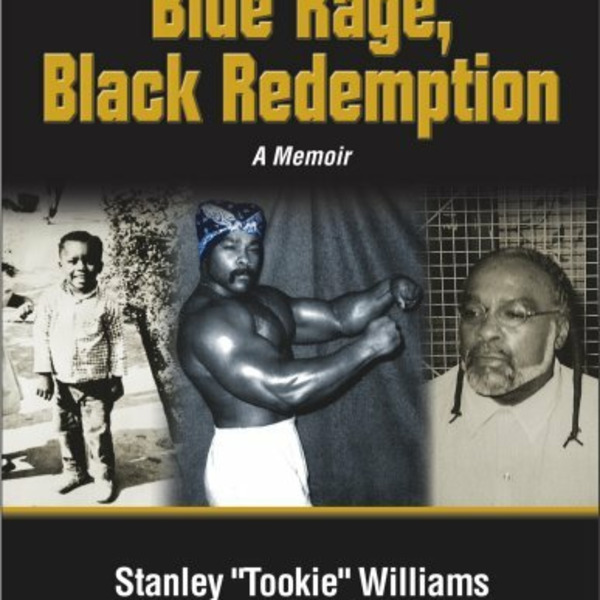
Over 25,000 young people have died in America's gang wars since 1980 - a bit less than half the number of soldiers who lost their lives in Vietnam. In cities across America current and former gang-members are like traumatized war veterans with no way home. Tom Hayden's book STREET WARS indicts the domestic law and order politics that dominate current policy and suffocate inner city youth. It has been almost two years since Stanley Tookie Williams was executed after being denied clemency by California Governor Arnold Schwarzenegger. In the wake of his death, Stanley Tookie Williams' memoir BLUE RAGE, BLACK REDEMPTION, will be re-released to shed additional light on Tookie's personal and public fight for redemption. Part 1 of the book, entitled Blue Rage, chronicles Tookie's gang life as a co-founder of the Crips. During this time he committed hundreds of crimes and was eventually charged with the murder of four people. In 1981, Tookie was convicted and sent to Death Row for twenty years. Throughout his time in prison, he maintained his innocence for the crimes for which he was convicted. The second part of the book, Black Redemption, looks at the work Tookie completed and legacy he crafted behind bars-his books, awards, anti-gang initiatives, and Nobel Prize nominations.
Q&A: Phil Donahue
Written on November 6th, 2007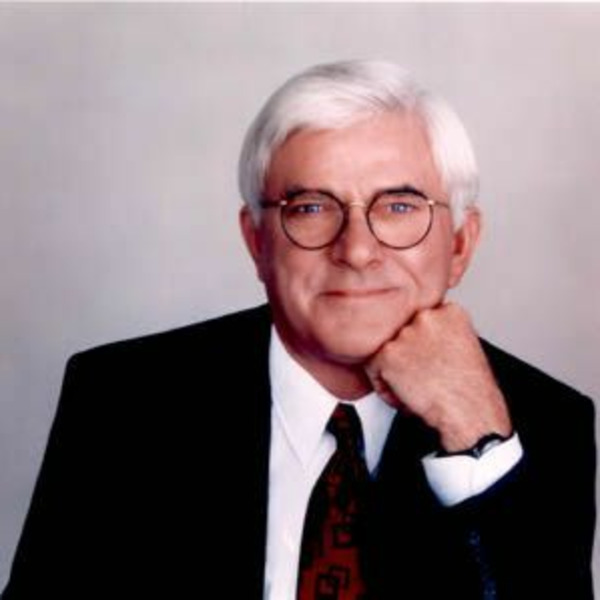
PHIL DONAHUE pioneered the modern television talk show. DONAHUE ran for 29 years and used its time to explore and debate issues that mattered to its audiences. Despite being one of MSNBC's highest rated programs, Donahue's brief return to television was cancelled in February 2003. A leaked internal NBC memo statede that Donahue had to be fired because he would be a "difficult public face for NBC in a time of war”. Now PHIL DONAHUE has collaborated with veteran documentary filmmaker Ellen Spiro to give us an unsanitized account of one young man's evolution from enlisted soldier to anti-war veteran. Tomas Young grew up in Kansas City and like many patriotic young men and women, he responded to a call to action after 9/11. After less than one week in Iraq, he received a bullet injury to the spine that paralyzed his body. The film cleverly inter-cuts two parallel stories: Tomas struggles to deal with the complexities of his injuries while we see the congressional deliberations granting President Bush authority to invade Iraq. The effect is a startlingly powerful juxtaposition of cause and effect and the personal consequences of misguided vision.
MILENA KANEVA Producer/Director, TOTAL DENIAL & KATIE REDFORD, Director, EarthRights International
Written on November 2nd, 2007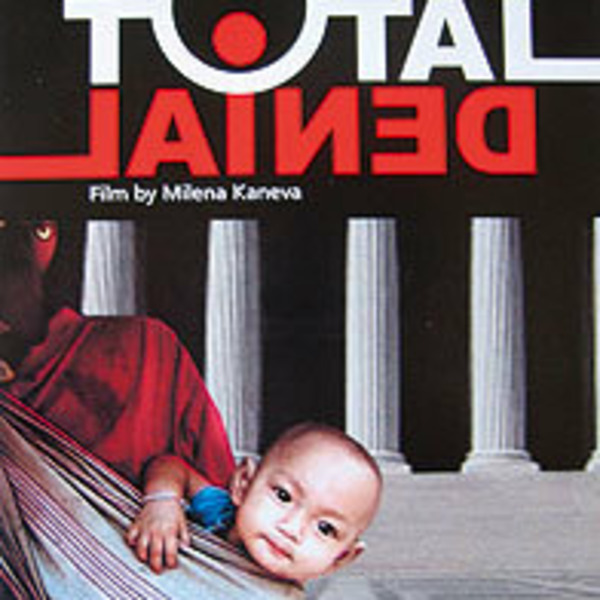
TOTAL DENIAL documents abuses of Burmese villagers caused by the Yadana pipeline. Milena Kaneva's “guide” during this journey is Ka Hsaw Wa, one of the leaders of the student movement for democracy in Burma in 1988, who hid in the jungle for more than seven years. Wanted by the police in both Burma and Thailand, Ka Hsaw Wa gathered the evidence of thousands of victims of human rights and environmental abuses. In 1992, two Western oil companies - French TOTAL and UNOCAL, then based in California embark on a joint venture with the Burmese military regime, to build a gas pipeline. The Burmese army, hired by the companies to provide security for the project, forces many in the local population into slave labor. Burned villages, raped women, tortured and killed porters, hundreds of thousands of men, women and children hiding in the jungle is the picture of a silent genocide. In 1995, with KATIE REDFORD, the co-founder of Earth Rights International, Ka Hsaw Wa brought the precedent-setting lawsuit to the U.S. courts. TOTAL DENIAL was shot in Burma, Thailand, Europe, and the U.S. courts between 2000-2005. The identity of the plaintiffs in the lawsuit and in the film are protected under the California state law. Their faces and voices are distorted for their security. The images shot in US courtrooms are exclusive.
Q&A: Robert Bernard Reich
Written on October 18th, 2007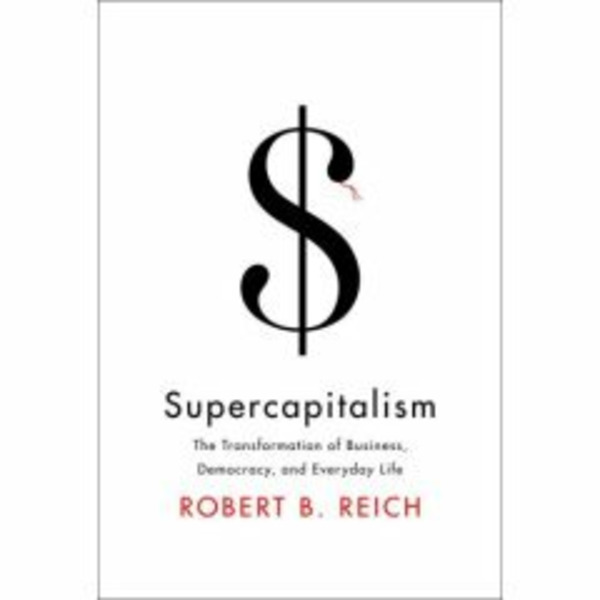
Robert Reich was secretary of labor in the Clinton administration and now teaches public policy at the University of California at Berkeley. He delivers weekly commentaries on public radio's Marketplace, and he blogs at RobertReich.blogspot.com. In his book Supercapitalism, economist Robert Reich looks at the divided mind of the consumer and citizen.
Q&A: Bjørn Lomborg, Author
Written on October 18th, 2007
Aired 12/26/10 Bjørn Lomborg: Author - The Skeptical Environmentalist and Cool It One of the world's 100 most influential people - Time Magazine, 2004 14th most influential academic in the world - Foreign Policy and Prospect magazine, 2005. 'Young Global Leader' - World Economic Forum 2005 Former director - Denmark's Environmental Assessment Institute Director - Copenhagen Consensus Center Adjunct Professor - Copenhagen Business School http://www.lomborg.com/


