Q&A: Lester Brown (part 2), Author
Written on February 18th, 2008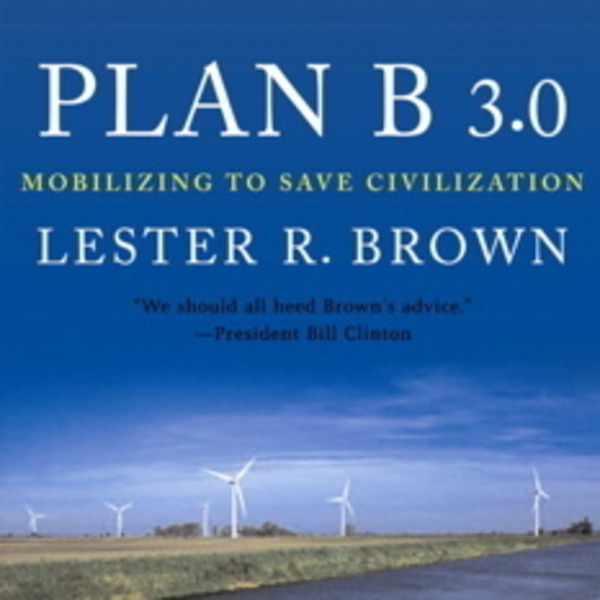
Lester Brown (part 2 of interview) has been described by the Washington Post as "one of the world's most influential thinkers." After working with the Department of Agriculture in international agricultural development, Brown helped establish the Overseas Development Council, then founded the Worldwatch Institute, which has played an important role in the public's understanding of trends in our global environment with its annual State of the World report and later the annual Vital Signs In 2001, he left Worldwatch, founded Earth Policy Institute www.earth-policy.org, and published Eco-Economy: Building an Economy for the Earth. His other books include Who Will Feed China?; Tough Choices: Facing the Challenge of Food Scarcity, and his newest book PLAN B 3.0: MOBILIZING TO SAVE CIVILIZATION. PLAN B 3.0 is a comprehensive plan for reversing the trends that are undermining our future. Its four overriding goals are to stabilize climate, stabilize population, eradicate poverty, and restore the earth's damaged ecosystems. Failure to reach any one of these goals will likely mean failure to reach the others as well.
Q&A:: Michael Pollan, Professor and Author
Written on February 12th, 2008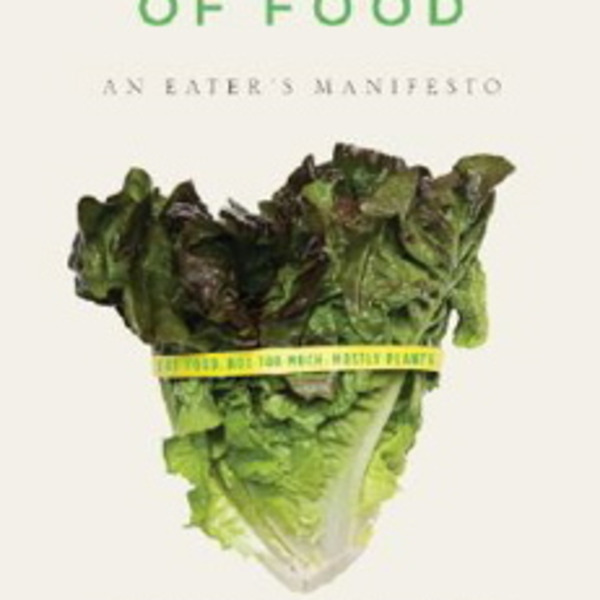
Michael Pollan is a professor of journalism at the University of California, Berkeley, where he is also director of the Knight Program in Science and Environmental Journalism. Pollan is a contributing writer for the New York Times Magazine, a former executive editor for Harper's Magazine, and author of five books: In Defense of Food: An Eater's Manifesto (2008) The Omnivore's Dilemma: A Natural History of Four Meals (2006), The Botany of Desire: A Plant's-Eye View of the World (2001), A Place of My Own (1997), and Second Nature: A Gardener's Education (1991)
Q&A:: Lester Brown, Author
Written on February 8th, 2008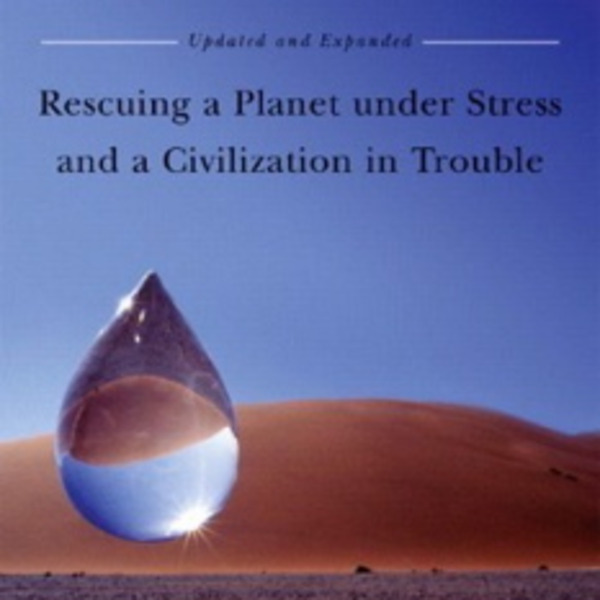
LESTER BROWN has been described by the Washington Post as "one of the world's most influential thinkers." After working with the Department of Agriculture in international agricultural development, Brown helped establish the Overseas Development Council, then founded the Worldwatch Institute, which has played an important role in the public's understanding of trends in our global environment with its annual State of the World report and later the annual Vital Signs In 2001, he left Worldwatch, founded Earth Policy Institute www.earth-policy.org, and published Eco-Economy: Building an Economy for the Earth. His other books include Who Will Feed China?; Tough Choices: Facing the Challenge of Food Scarcity, and his newest book PLAN B 3.0: MOBILIZING TO SAVE CIVILIZATION. PLAN B 3.0 is a comprehensive plan for reversing the trends that are undermining our future. Its four overriding goals are to stabilize climate, stabilize population, eradicate poverty, and restore the earth's damaged ecosystems. Failure to reach any one of these goals will likely mean failure to reach the others as well.
Q&A: Steven Clemons, Blogger
Written on February 6th, 2008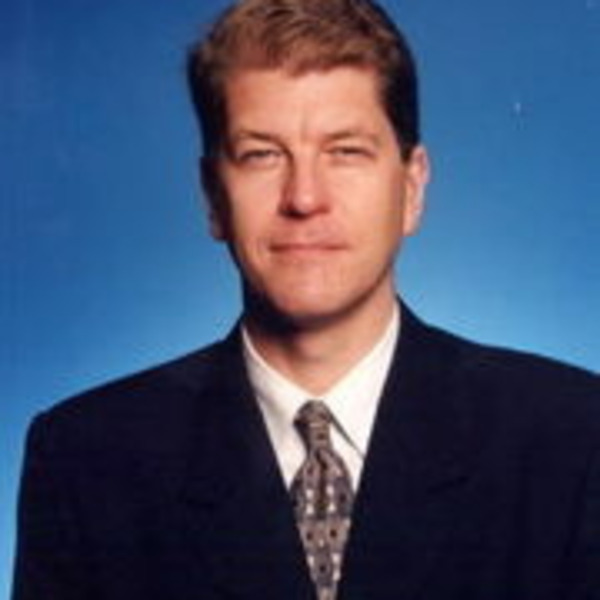
Steven Clemons is is the publisher of the popular political blog; www.thewashingtonnote.com, and a former staff member of Senator Jeff Bingaman. Clemons is also Director of the American Strategy Program at the New America Foundation, and the former director of the Japan Policy Research Institute. He characterizes himself as a "progressive realist."
Q&A: Thomas Hayden, Author, Activist and Politician
Written on February 6th, 2008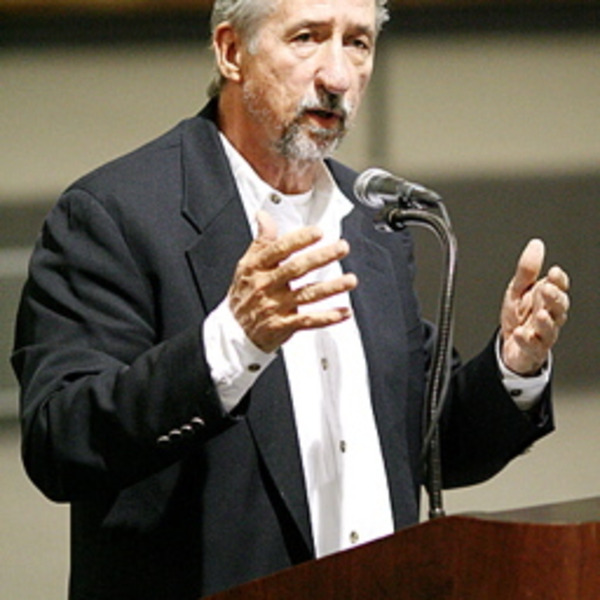
Thomas Hayden is an American social and political activist and politician, most famous for his involvement in the anti-war and civil rights movements of the 1960s. Hayden serves as a member of the advisory board for the Progressive Democrats of America, an influential "grass roots" organization created to expand “progressive” political cooperation within the Democratic Party. Enjoy the conversation as Terrence and Tom talk about the 2008 election, Barack Obama and Super Tuesday!


